 CZ
CZ EN
EN

Air Deflectors: What They Are and How They Work

Determine the vehicle type:
Specify the exact model and year of your truck, as the size and shape of the air deflectors must match the specific model.
Check compatibility:
Browse the ClimAir selection and make sure the deflectors are designed specifically for your vehicle.
Select the correct type of deflectors:
Side deflectors (e.g., driver’s window, cab)
Roof deflectors (on some models)
Rear deflectors (for greater protection against wind and rain)
Consider the material and quality:
ClimAir uses high-quality plastic materials that are UV-resistant and weatherproof.
Installation and Mounting:
Check whether installation is simple and whether special tools are required.
Some deflectors are attached using self-adhesive tape, while others have special mounts.
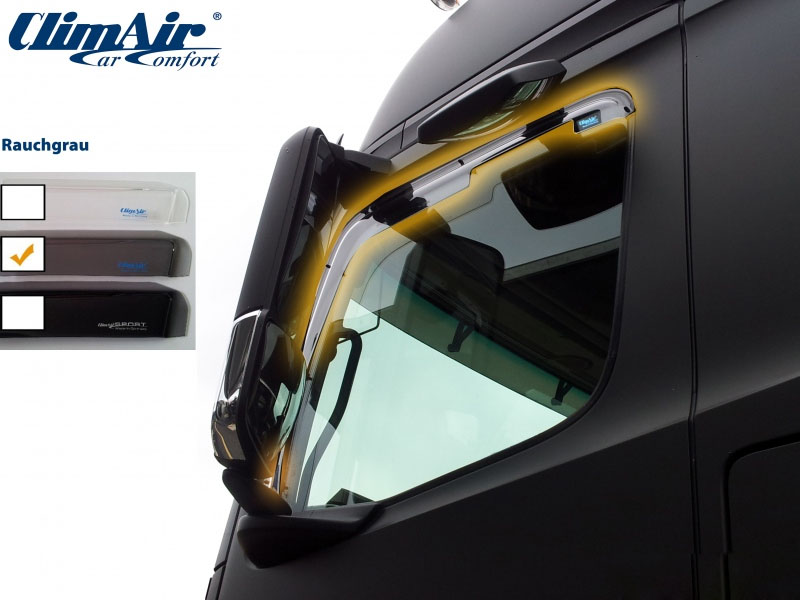
Rain and wind deflectors offer a modern and highly effective solution for optimizing vehicle ventilation, significantly contributing to overall travel comfort and improving conditions inside the vehicle cabin during various weather conditions. These sophisticated aerodynamic components, often referred to as wind deflectors or rain deflectors, are specially designed to allow for effective air circulation even under adverse weather conditions, when under normal circumstances it would be necessary to keep the windows completely closed.
The basic principle behind these deflectors lies in their ability to create a protective barrier against external elements while simultaneously allowing for natural ventilation of the vehicle’s interior. Thanks to their sophisticated aerodynamic design, these components effectively direct airflow around the vehicle in such a way that they minimize the intrusion of unwanted weather conditions into the cabin, while simultaneously allowing a controlled flow of fresh air to enter. This technology is particularly valuable in rainy or windy weather, as it allows drivers and passengers to keep the windows slightly open without worrying about the interior getting wet or an unpleasant draft.
The design of modern deflectors is the result of an advanced engineering approach that combines aerodynamic principles with the practical requirements of everyday use. These components are typically made from high-quality materials, such as durable acrylic or special polymer blends, which ensure long-term resistance to weather, UV radiation, and mechanical wear. Their surface treatment is often achieved using specialized technologies that not only enhance their aesthetic appeal but also improve their functionality by optimizing aerodynamic properties.
The installation of these deflectors is designed to be as simple as possible and as non-invasive as possible to the vehicle’s original structure. Most modern systems utilize the principle of precise adaptation to a specific vehicle model, which allows for their installation without the need to drill holes or make other permanent modifications to the body. This solution is achieved through advanced 3D modeling and precise measurement technologies, which ensure that each deflector perfectly matches the shapes and dimensions of a specific vehicle type with millimeter precision.
The practical benefits of using rain and wind deflectors are evident in many aspects of everyday vehicle use. One of the most important is the ability to maintain optimal temperature and humidity inside the cabin without having to rely solely on the air conditioning system, which can lead to significant fuel savings and reduced emissions. During hot summer days, deflectors allow for effective ventilation of accumulated heat from the cabin, while in colder seasons they help prevent the windows from fogging up by enabling controlled air circulation.
From a safety perspective, these systems contribute to better visibility by helping to keep the vehicle’s windows clean and fog-free. Reducing humidity inside the cabin significantly decreases the tendency for windows to fog up, which is particularly important during transitional seasons when outdoor and indoor temperatures differ significantly. At the same time, deflectors prevent insects and other debris from entering the cabin, which contributes to overall hygiene and passenger comfort.
The aesthetic aspect of deflectors should not be overlooked, as modern products are designed to harmoniously complement the vehicle’s overall design and often give it a sportier and more dynamic look. The availability of various color options—including smoky gray, clear, or black—allows vehicle owners to choose the option that best matches their aesthetic preferences and the vehicle’s overall style.
High-quality deflectors are also characterized by their long service life and resistance to extreme weather conditions. They are tested to withstand temperature fluctuations ranging from freezing winter temperatures to extreme summer heat, as well as intense UV radiation, acid rain, and other harsh environmental factors. This durability is ensured not only by the quality of the materials used but also by advanced surface treatment technologies that create protective layers against material degradation and aging.